


Hanging Up My Scrubs: Coping With Career Loss After an Alzheimer's Diagnosis

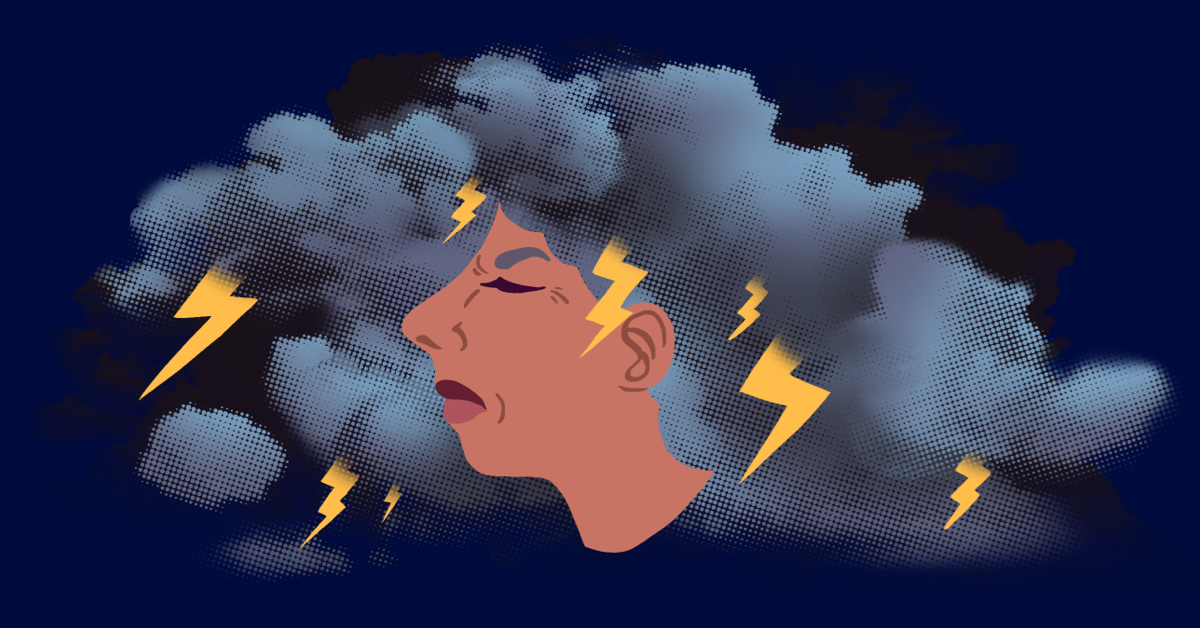
My objective for the day was to undertake a difficult task. I took my scrubs out of my closet today, and as I sit here writing this, there is a lump in my throat and a heaviness in my breath. It sits here in my chest, up close to my throat, like it wants to push out a moan or a scream. This heaviness makes it almost hard to breathe.
My scrubs in my closet were the last evidence of my passion—my identity. It was the completion of a hard-earned goal. I was a nurse. To some people, that might just be a career choice, but to me, it was a desire and a calling. It was a journey of becoming who I was meant to be.
The journey to becoming a nurse
Becoming a nurse is hard... very hard.
I had never worked so hard in my life. In achieving that goal, I proved to myself that I could do anything I set my mind to. This was something I never believed about myself until then. It truly was a metamorphosis into who I was meant to be.
My passion was children. I started in postpartum with new mothers and their newborns, but eventually went into public health as a school nurse.
Finding purpose in nursing and teaching
My passion was to teach. Each day was spent caring for kids from 5 to 18 years old. The goal was to provide them with life skills and health education by teaching them to eat right, take care of their bodies, and wash their hands.

In high school, I taught them therapeutic communication skills, such as how to tell someone when they were being hurt and how to handle conflict, and I provided a cabinet for kids who came to school hungry. I coordinated resources for kids whose needs their families could not meet. I provided health education on medical conditions, medications, injuries, and emergencies.
I made a difference.
Navigating dream-driven career changes
In 2019, I decided to leave the school nursing position for a job I had always dreamed of. While career changes can be daunting, this one felt right.
I was going to be a NICU nurse, and I was going to take care of the tiniest little nuggets of strength and determination that you would ever see. It was my dream job, and I loved it. I worked the night shift, and there was just something special about rocking those little babies in the dim light, trying to teach them to eat from a bottle. It was peace.
Grappling for support amidst cognitive decline
After a year in the NICU, I began to notice that I was having difficulties with the more complex nursing skills needed in a critical care environment. If a baby coded, I could breathe for the baby with no problem, but I couldn't breathe for the baby, calculate medication dosages, anticipate lab orders, and call the doctor all at once.
I went to my manager for help. I really thought that some additional training would do it for me. It didn't. By the time I left the NICU, I couldn't even put IV tubing together properly. I was diagnosed with early-onset Alzheimer's disease (EOAD) the following year.
Featured Forum
View all responsesProcessing career loss due to early-onset Alzheimer’s
So, my scrubs were the last thing that reminded me I was a nurse. I was a healer, a caregiver, and an encourager. A well-respected professional.
Now I am not. I look in my closet, and there is no reminder of what I once was, and I know there will come a day when I don't remember it at all. It is a very difficult thing for a young person of 49 to watch the death of their dreams. I stay home now.
Navigating grief and finding a new path
This transition has sparked a deep sense of grief. When my wife gets home and says something completely neutral like, "What's for dinner?" or, "Did you happen to do laundry today?" I completely turn on her and yell that I am not "the little housewife." She has very strong shoulders. She understands where that anger is coming from.
The pain of losing one's professional identity is a heavy burden to carry, and it often manifests in ways we don't expect. If you are navigating this same path, please remember to be patient and kind to yourself.
Everyone reaches the moment they need to take the scrubs out of their closet, but that doesn't mean your story is over.
Is this situation relatable to you or your loved one? We are here to listen and support one another through these profound shifts. Join the conversation below.
Join the conversation